Nestled along the banks of the Allegheny River in Venango County, Pennsylvania, Oil City Venango PA, stands as a testament to America’s industrial past and resilient spirit. Once a roaring oil boomtown, it has transformed into a charming community rich in history, natural beauty, and small-town charm. This article explores the fascinating journey of Oil City Venango PA, from its explosive beginnings in the petroleum industry to its current status as a modern gem in western Pennsylvania.
The Birth of an Oil Empire
The Drake Well & the First Oil Boom (1859-1860s)
The story of Oil City is inseparable from the birth of the American oil industry. In 1859, just a few miles south in Titusville, Edwin Drake struck the first commercially viable oil well, sparking a frenzy of drilling across the region.
By the early 1860s, prospectors flocked to the area where Oil Creek meets the Allegheny River—soon to be named Oil City Venango PA. The town became a critical hub for oil refining, transportation, and commerce. Barrels of crude oil were floated down the river on makeshift rafts, while refineries and storage facilities sprang up along the banks.
The Wild Days of Boomtown Oil City
The sudden wealth brought chaos and opportunity. Oil City Venango PA was a lawless frontier town in its early years, filled with roughnecks, speculators, and fortune-seekers. Saloons, gambling dens, and makeshift shantytowns crowded the riverbanks.
The first oil exchange in the U.S. was established here, making Oil City the financial center of the oil trade. Millionaires were made overnight, while others lost everything in risky ventures. Fires and floods were common, with the 1866 flood destroying much of the early settlement. Yet, the town rebuilt, stronger each time.
The Golden Age of Oil City (Late 1800s – Early 1900s)
Railroads, Refineries, and Industrial Growth
As the oil industry matured, so did Oil City Venango PA. Railroads replaced river transport, and massive refineries like Pennsylvania Oil Company (later Pennzoil) dominated the landscape. The town became a major supplier of kerosene, lubricants, and other petroleum products.
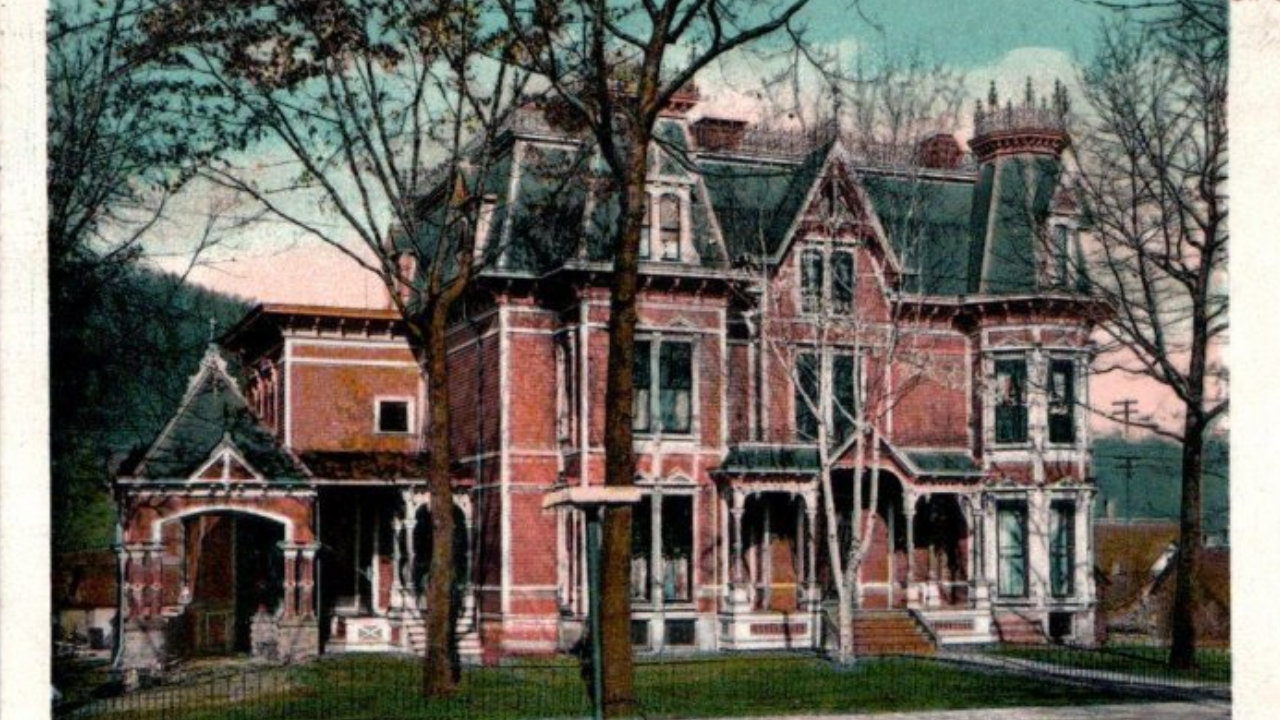
Wealthy oil barons built grand Victorian homes along West First Street, some of which still stand today. The National Transit Building (now a historic landmark) served as the headquarters of John D. Rockefeller’s Standard Oil pipeline network, further cementing Oil City’s importance.
The Decline of the Oil Boom
By the early 20th century, Pennsylvania’s oil fields began to dry up, and larger discoveries in Texas and Oklahoma shifted the industry south. Many businesses closed, and the population dwindled. However, Oil City Venango PA adapted, shifting toward manufacturing, tool production, and other industries.
Oil City in the 20th Century: Reinvention & Resilience
The Great Depression & World War II Era
The 1930s brought hardship, but the Works Progress Administration (WPA) funded infrastructure projects, including bridges and public buildings. During World War II, local factories supported the war effort, producing machinery and tools.
The Quiet Decades (1950s-1990s)
As the oil industry faded, Oil City became a quiet, blue-collar town. Many historic buildings were demolished in mid-century “urban renewal” projects, but a core of stately architecture remained. The Venango Museum of Art, Science & Industry (housed in the old post office) preserves this legacy.
Oil City Venango PA Today: A Modern Gem with Historic Roots
Preservation & Revitalization Efforts
In recent decades, Oil City Venango PA has embraced its heritage while looking toward the future. Key developments include:
- Restoration of historic downtown buildings into shops, galleries, and apartments.
- Oil Creek State Park, offering hiking, biking, and oil history tours.
- The National Transit Building’s revival as mixed-use space.
- Annual Oil Heritage Festival, celebrating the town’s petroleum roots.
A Growing Arts & Culture Scene
Oil City has become a haven for artists and small businesses:
- The Oil City Arts Council hosts exhibitions and performances.
- The Barrow-Civic Theatre offers live shows in a beautifully restored venue.
- Local breweries and cafés add modern charm to the historic streets.
Why Visit or Move to Oil City?
- Affordable living with historic homes.
- Outdoor recreation along the Allegheny River and nearby state parks.
- A strong sense of community with festivals, farmers’ markets, and local pride.
Conclusion: A Town That Refused to Fade Away
From its wild oil boom days to its quiet mid-century struggles, Oil City Venango PA, has continually reinvented itself. Today, it stands as a hidden gem—a place where history lives alongside modern revitalization. Whether you’re a history buff, outdoor enthusiast, or someone seeking a tight-knit community, Oil City offers a unique blend of past and present.
Visit and explore—you might just fall in love with this enduring Pennsylvania treasure.